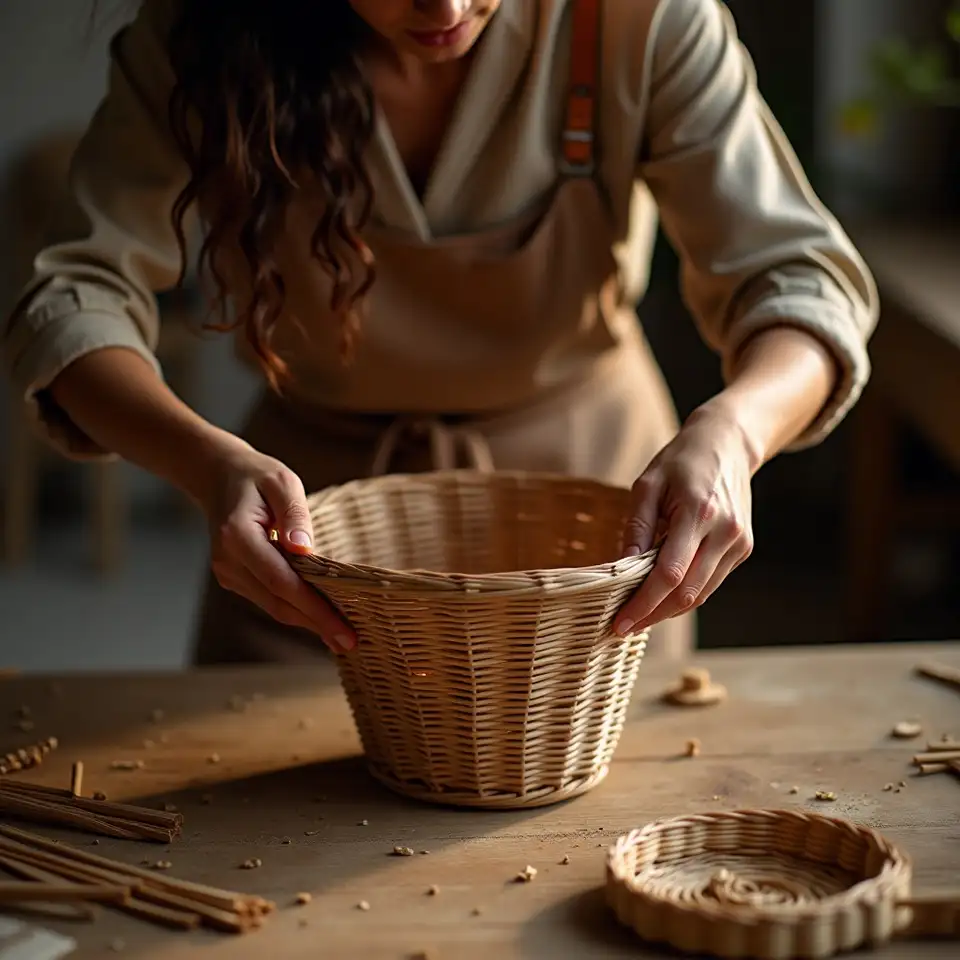
Essential guidance

Four fundamentals that separate frustrating first attempts from work that improves with each piece
Select fronds with patience

Mature fronds with consistent color and intact edges produce more uniform strips. Rushing the selection stage creates problems that no amount of skill can correct later in the process.

Maintain proper moisture

Too dry and the frond cracks; too wet and it loses structural integrity. The ideal state allows bending without resistance while retaining enough fiber strength to hold tension.

Master basic tension

Uneven pull creates wobbling walls and distorted rims. Consistent pressure, neither tight nor loose, produces baskets that stand straight and hold their shape through seasons of use.

Embrace early imperfection

The first basket exists to teach what the tenth will improve. Documenting early work provides reference points that reveal progress invisible during daily practice.

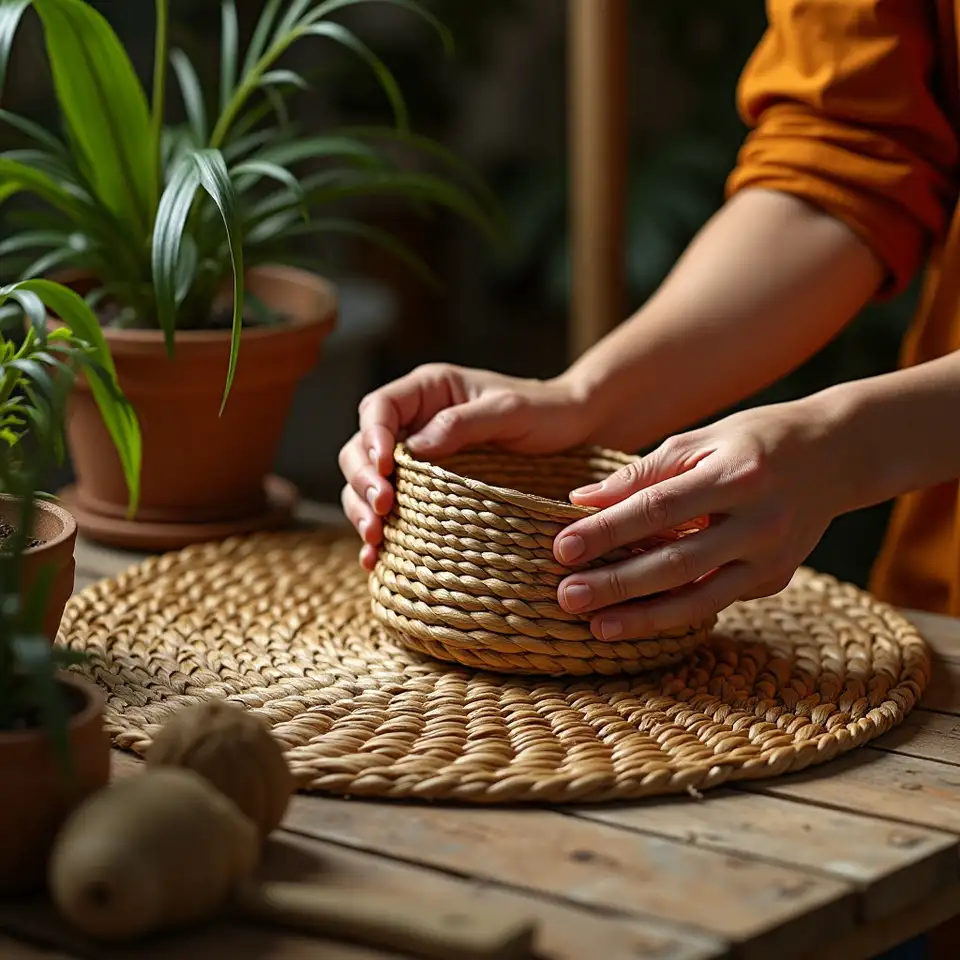
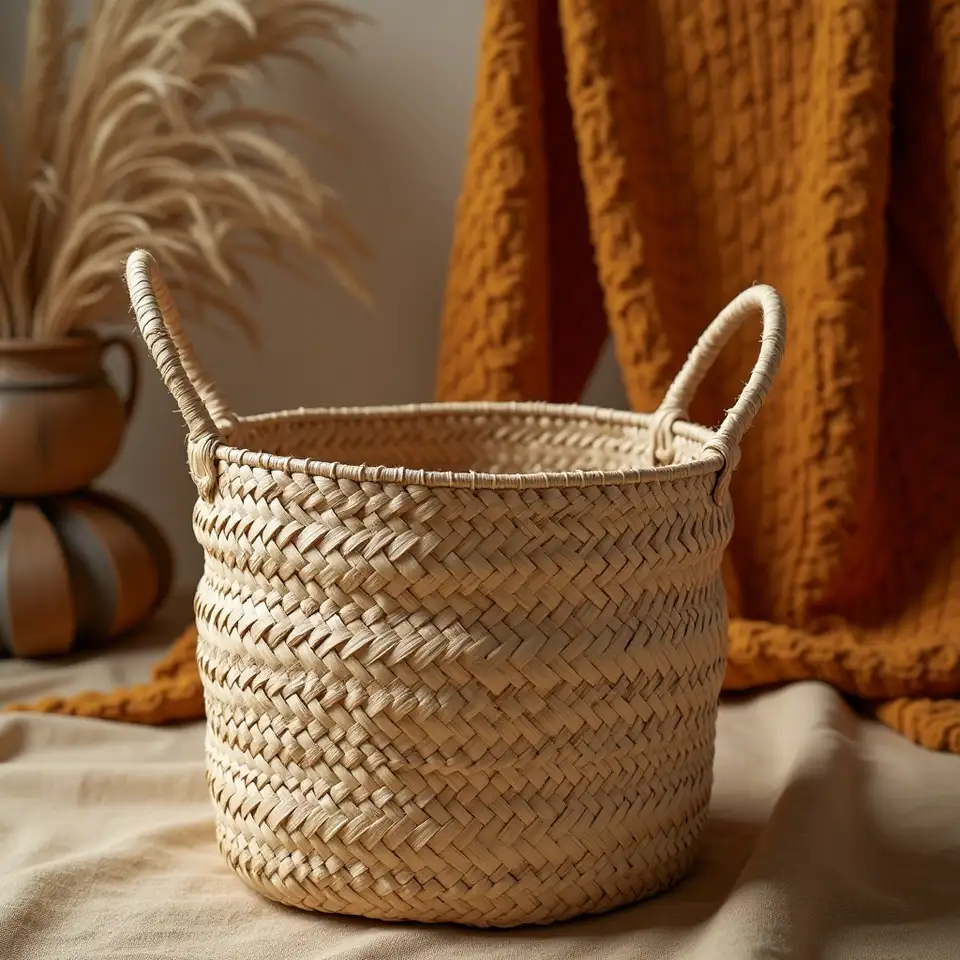
Finished handwoven palm frond basket with textured pattern

Core techniques

Community weavers

Across Australia

Four foundational patterns that unlock every form in palm frond weaving

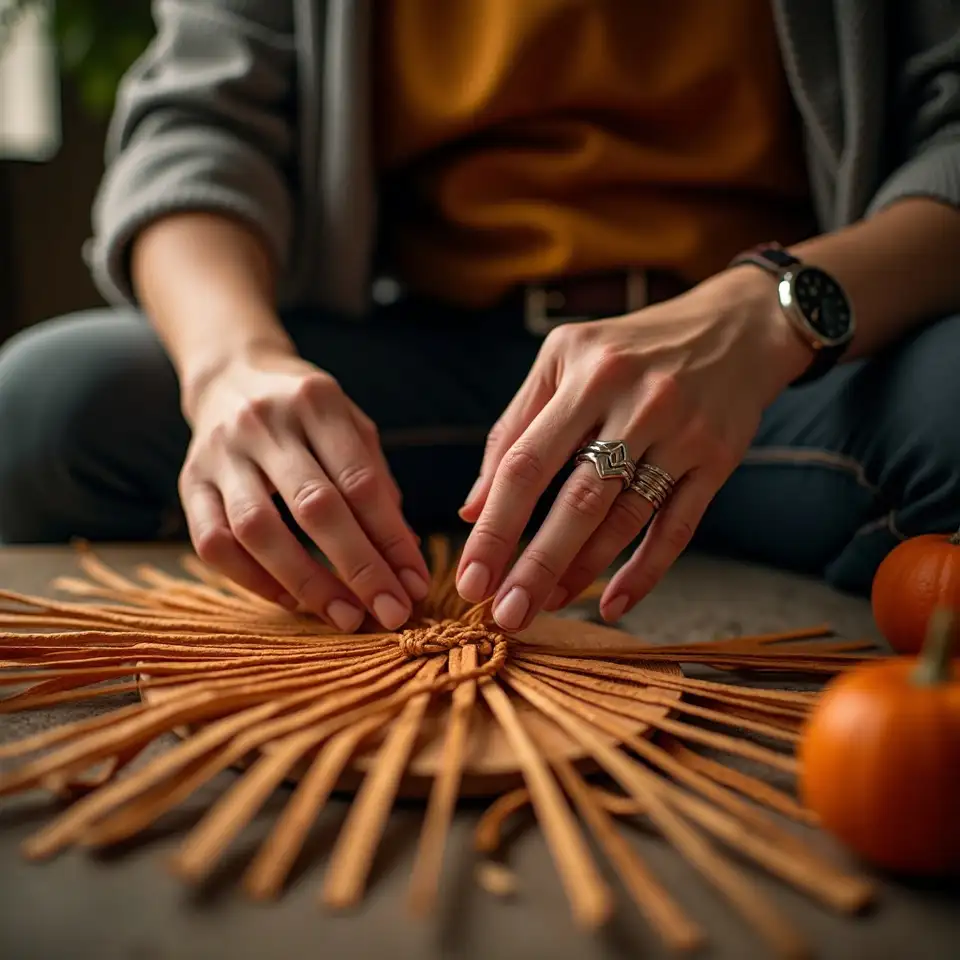
Single cord weaving forms the basis of simple straps and handles. Double weave creates flat mats and sturdy bases. Coiling builds three-dimensional vessels from a continuous spiral. Plaiting produces decorative surfaces and structural crossings. Each technique connects to the others; mastery of one accelerates learning in the rest.

View gallery

Progressive skill building

From raw material to finished basket or decorative symbol, each stage prepares the next

Prepare the frond

Harvest or source dried palm fronds ethically. Remove damaged edges, trim to workable lengths, and restore pliability through controlled soaking. The preparation stage determines tension consistency throughout the finished piece.

Split with precision

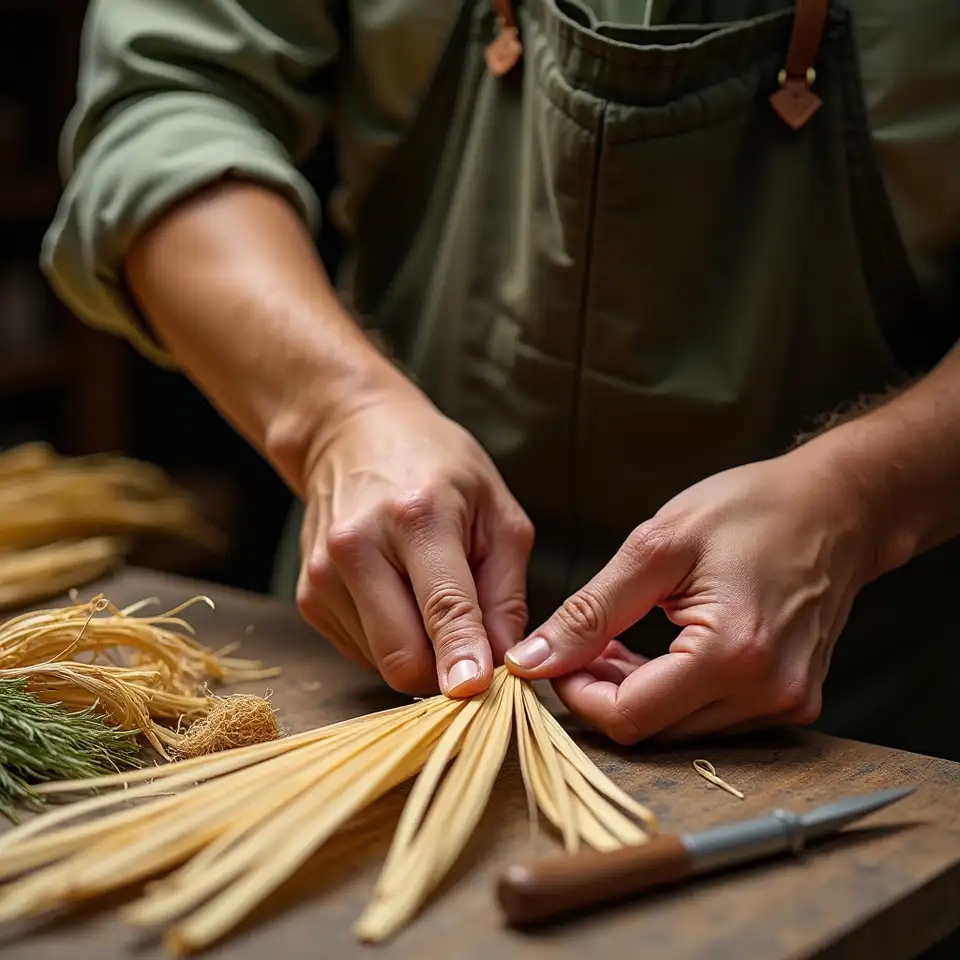
Divide fronds into uniform strips using a simple gauge tool. Consistent width is the invisible foundation of professional-looking work. Irregular strips create uneven tension that distorts shape and weakens structure over time.

Shape with technique

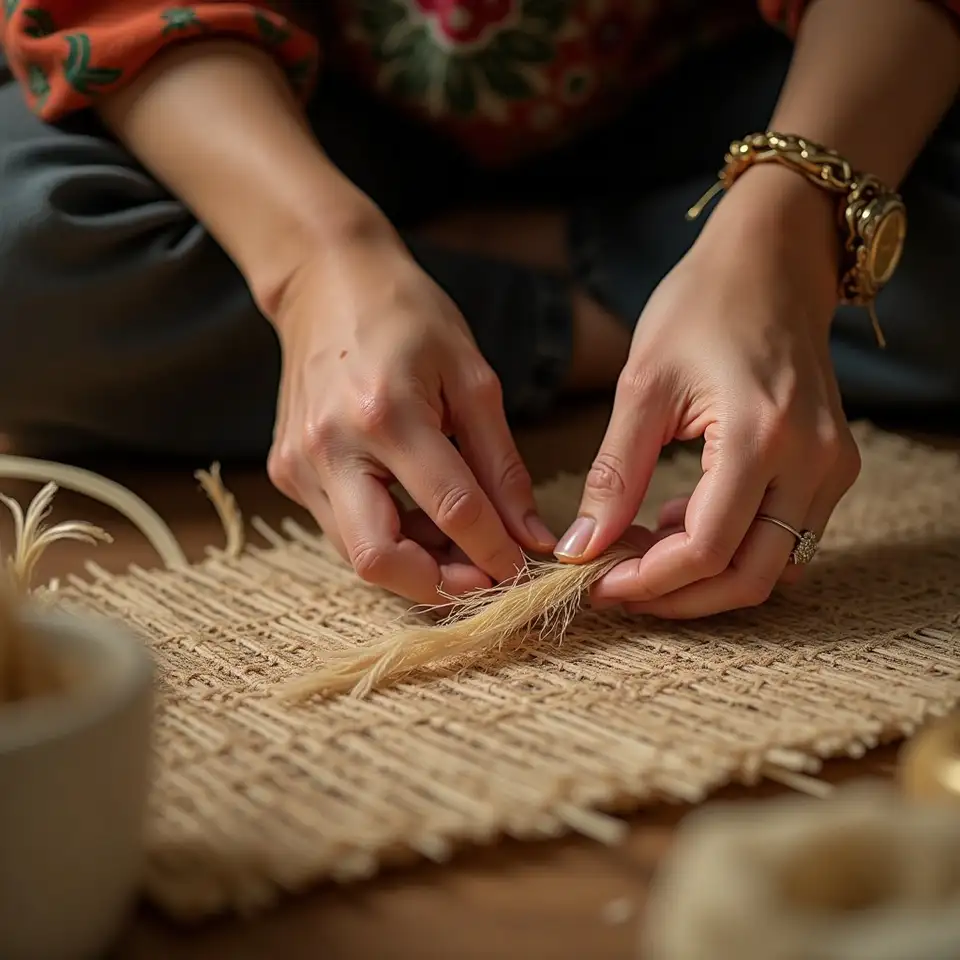
Apply coiling for round vessels, plaiting for flat surfaces, or double weave for sturdy bases. The hands learn through repetition what verbal instruction cannot convey. Each technique reveals properties of the material that inform the next choice.

Finish with care

Secure loose ends, trim excess material cleanly, and allow the piece to cure in open air. Proper finishing prevents unraveling and develops the pale golden tone that characterizes well-aged palm work. The object is complete only when it can be used or displayed without further attention.

Step by step

Visual sequences showing technique in motion, from first split to final tuck

Stay current with seasonal tutorials and community projects

New patterns arrive with the harvest cycle. Subscribers receive guidance matched to current frond availability, technique notes from experienced makers, and invitations to community events before public announcement.
This website uses cookies to improve your experience and understand how visitors interact with our content. You can accept all cookies or adjust your preferences. For more details, see our cookie policy.